Standard Photo Sizes: A Guide to Common Print Dimensions
Choosing a print size is easier when you start with the place where the photo will live, not with a list of dimensions. A family portrait going above a console has different needs from a vacation photo for a desk, and a group of images in a hallway needs a different plan again.
That is why photo sizes should be chosen as part of the display, not as an isolated printing decision. The wall width, furniture below it, viewing distance, frame style, image orientation, and resolution all affect what will look right. This guide takes a display-first approach to standard photo sizes so you can decide which dimensions make sense before you order.
Start With the Display, Not the Number
Before comparing picture sizes, decide where the image will go. Measure the area and note what surrounds it. A photo above a sofa needs enough width to feel connected to the furniture. A print on a bookshelf should fit comfortably without crowding nearby objects.
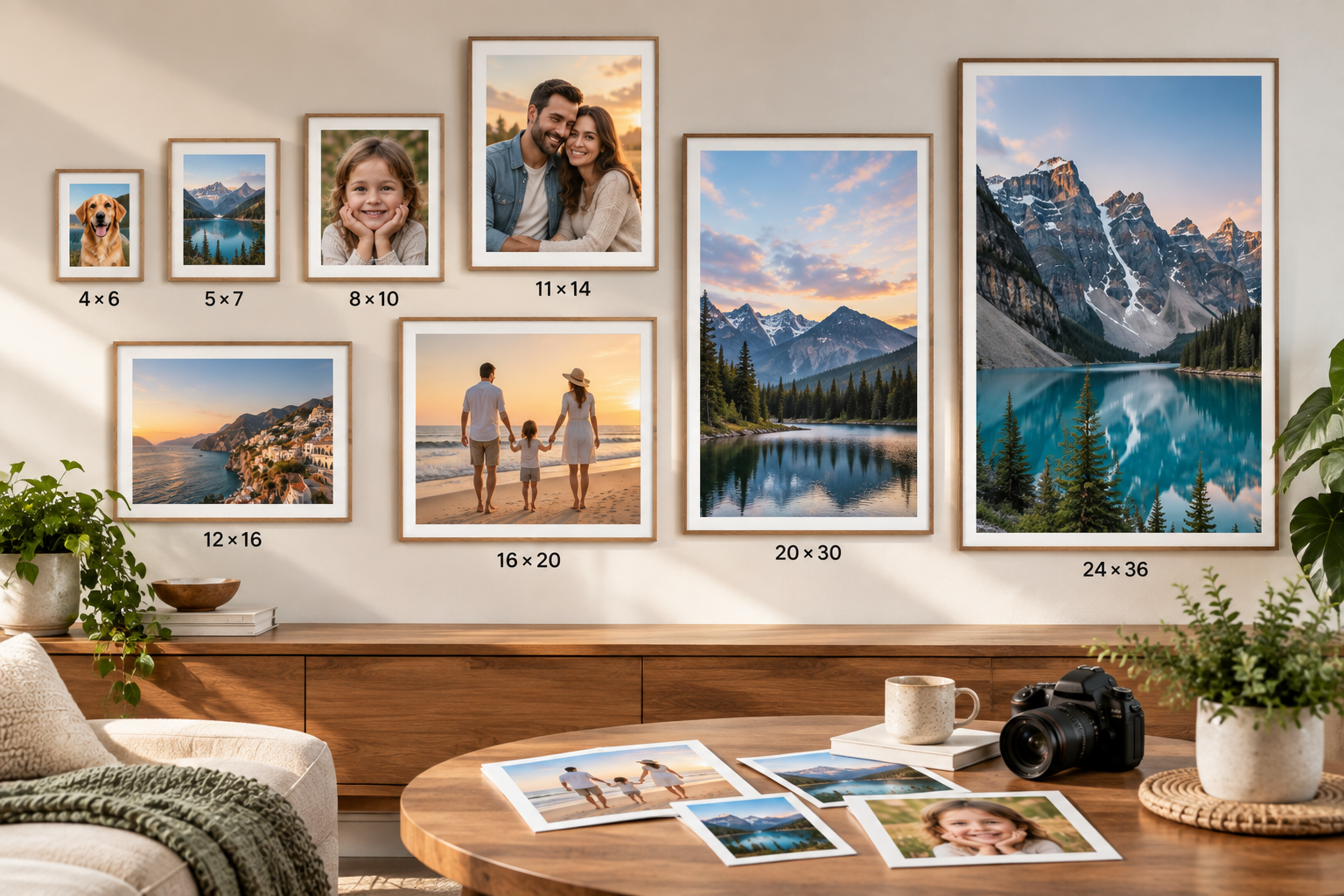
This approach also answers a common question: what is a normal picture size? There is no single “normal” size for every use. A 4x6 may be normal for an album, while 8x10 may feel more appropriate for a framed portrait. On a larger wall, 16x20 or 20x30 may make more sense.
Thinking about placement first helps prevent ordering a print that technically fits the photo but feels wrong in the room.
Use Viewing Distance to Decide How Large to Go
The farther away a photo will be viewed, the larger it usually needs to be.
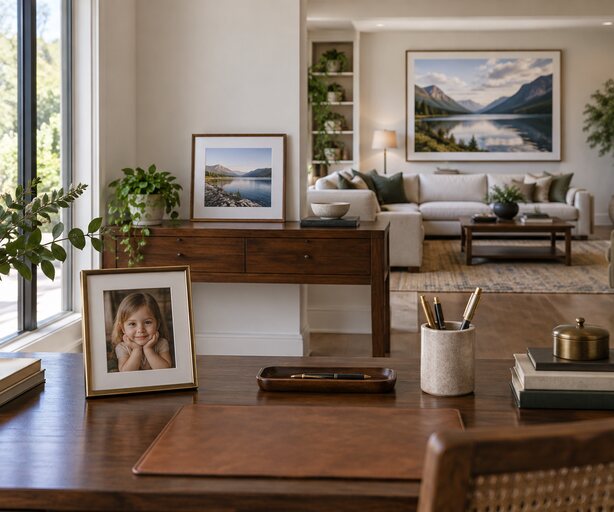
Small prints are designed for close viewing. They work on desks, shelves, bedside tables, and inside albums. Larger prints are easier to appreciate from across a room, which is why living rooms, dining areas, stairwells, and open-plan spaces can support bigger dimensions.
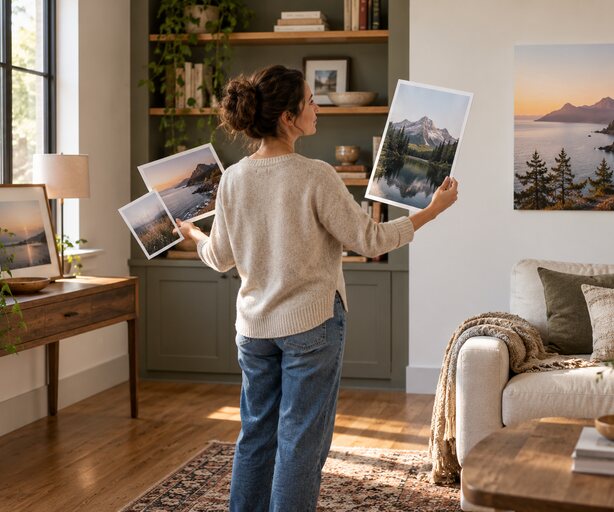
For a wall display, step back to the place where you will usually see the image. If important details disappear from that distance, the chosen photo size may be too small.
This is also useful when deciding between one larger print and several smaller ones. A single image can create a focal point, while a group can spread visual interest across a wider area.
Small Formats Are Useful for More Than Albums
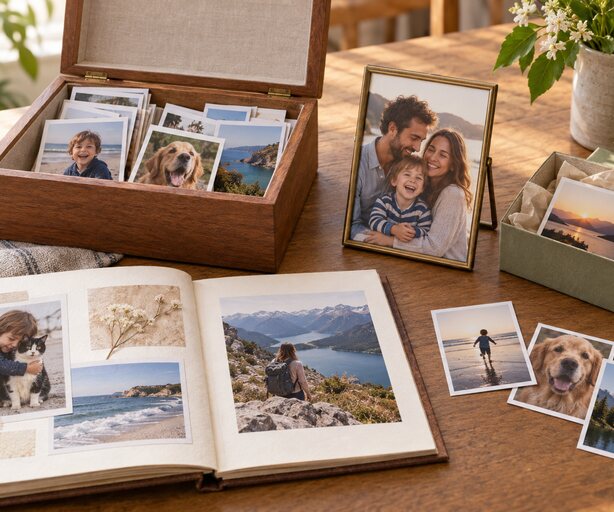
Photo sizes smaller than 4x6 are often overlooked, but they can be useful when you want a more intimate display.
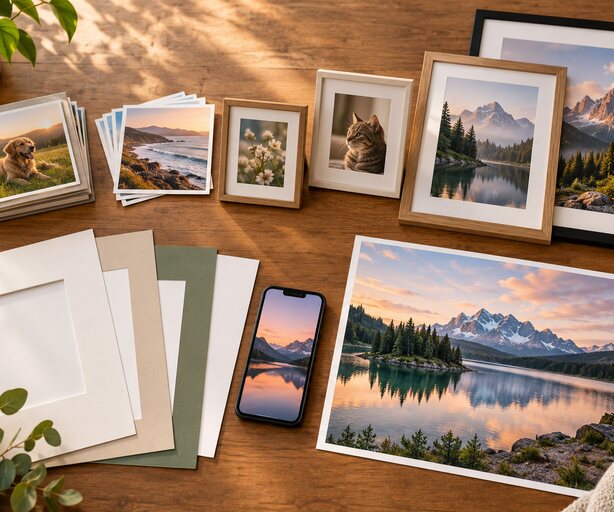
Wallet-size prints, mini prints, and compact formats can work for memory boxes, small frames, scrapbook pages, place settings, gift inserts, or collections of several images. They are also practical when you want to display many photos without making the arrangement visually heavy.
A small common photo size works best when the image has a clear subject. Tight portraits, pet photos, close-up details, and simple compositions usually read better than wide scenic images at a tiny scale.
Choose Proportions That Suit the Original Image
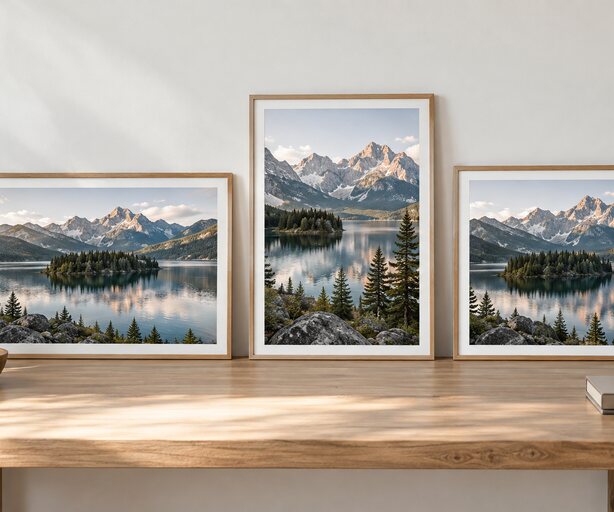
One of the biggest mistakes in print planning is choosing dimensions before checking the shape of the original photo.
A wide landscape image may lose important details when forced into a squarer format. A portrait photo can feel awkward if too much space is added around it. This is why aspect ratio matters as much as overall dimensions.
When comparing print sizes for photos, preview the crop and check the edges carefully. Make sure faces, architecture, text, and other important details are not too close to the trim area.
If the crop feels forced, choose another size with proportions closer to the original image.
Plan Around Furniture in Living Rooms and Bedrooms
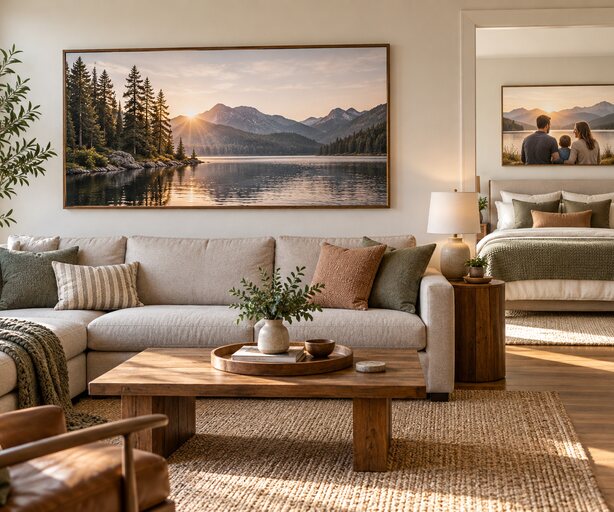
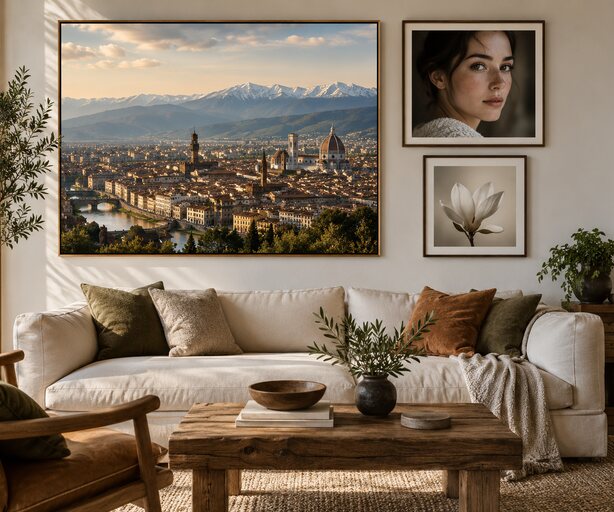
Wall art works best when it feels related to the furniture below it.
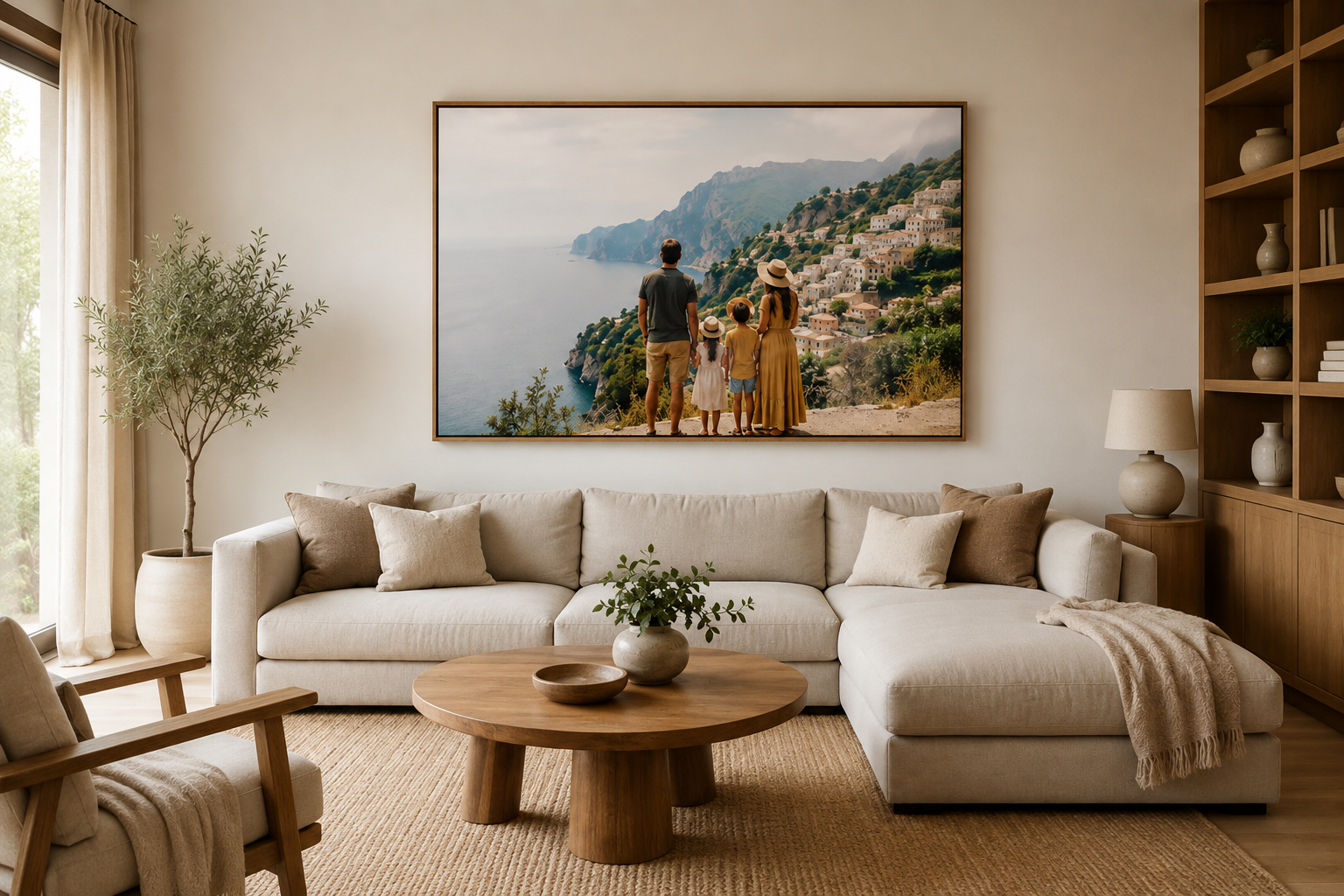
Above a sofa, a very small print can look disconnected. Above a bed, a narrow piece may feel out of scale with the headboard. Instead of asking only what are standard picture sizes, compare the print width to the furniture width.
For a single feature image, larger formats often work well. Canvas prints can be a good fit for family portraits, landscapes, and travel photography when you want the image to feel integrated with the room rather than placed inside a traditional frame.
For rooms with modern finishes, Metal Prints or Acrylic Prints can offer a cleaner, more contemporary presentation.
Use Frames to Control the Final Visual Size
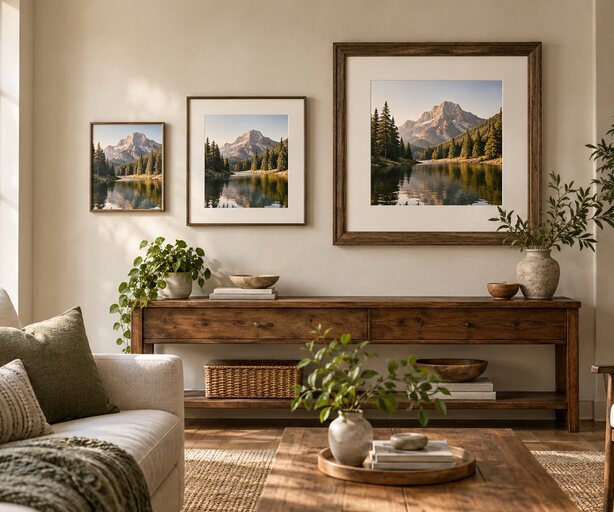
The printed image is only part of the total display size. Frames and mats can increase the footprint considerably.
For example, an 8x10 print inside a wide mat may occupy as much wall space as a larger unframed print. That can be useful when you want a smaller image to feel more substantial without enlarging it too far.
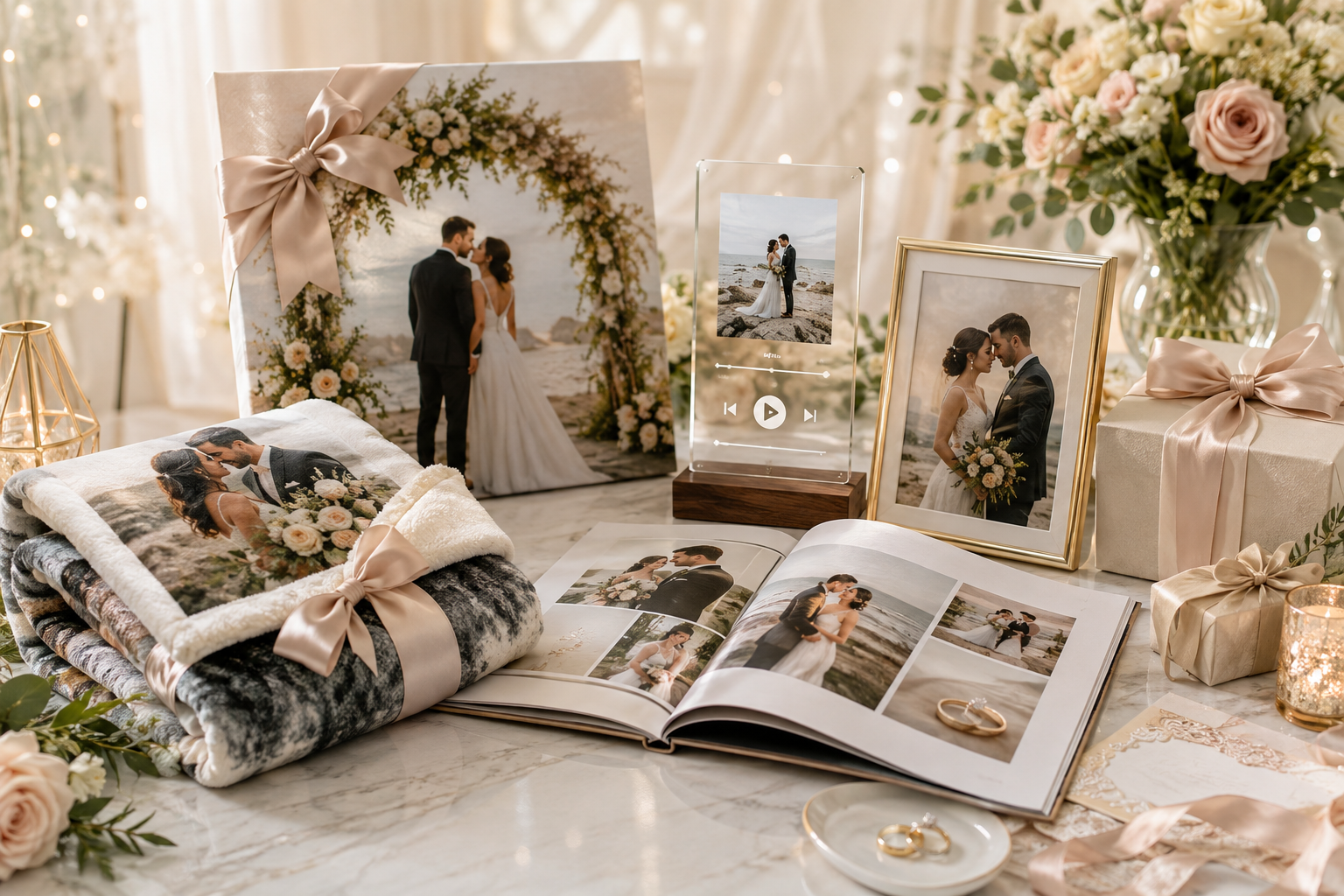
Custom Framed Prints are especially useful for portraits, wedding photos, and family images when you want the print, mat, and frame to work together as one finished piece.
Before ordering, measure the full outside dimensions of the frame rather than only the photo opening.
Match Print Size to Image Detail
Some photos benefit from being printed large because there is more to explore. Cityscapes, mountain views, architecture, and group portraits often contain details that become more interesting at a larger scale.
Other images are stronger when kept smaller. A simple close-up portrait, a soft candid moment, or a minimalist composition may not need extra size to have impact.
This is where image quality becomes important. Large picture sizes reveal blur, compression, and noise more easily. Always use the original file when possible and avoid screenshots or images saved from social media.
If the file is limited, choosing a smaller photo size can produce a better result than enlarging it beyond what the resolution can support.
Think in Groups for Hallways and Staircases
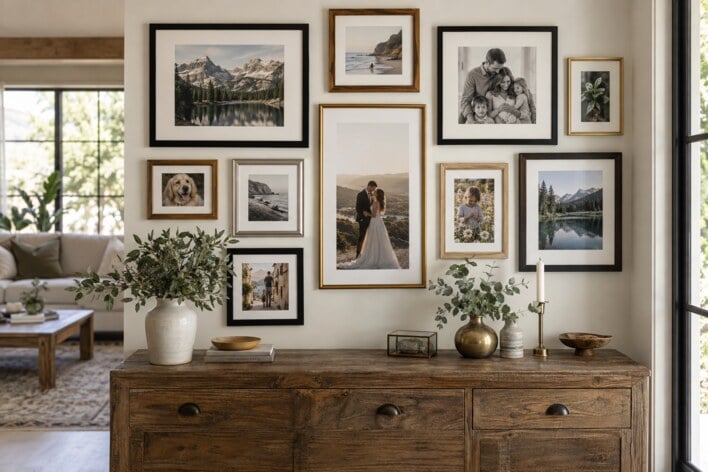
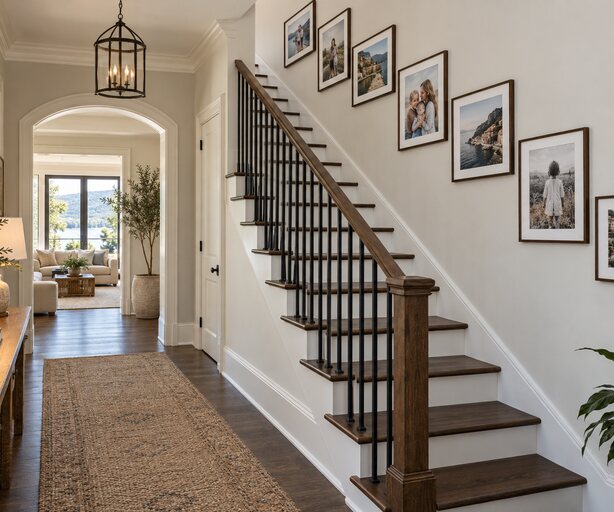
Hallways, staircases, and long walls often work better with a sequence of images than with one oversized print.
Instead of choosing six unrelated sizes, start with a repeatable system. You might use matching 5x7 or 8x10 prints, alternate vertical and horizontal images, or build a grid around one central piece.
A Canvas Wall Display can help organize several images into one coordinated arrangement when you want the photos to read as a collection.
The key is consistency. Similar spacing, repeated sizes, or a shared colour treatment can make different photographs feel connected.
Use Larger Formats for Images That Need Presence
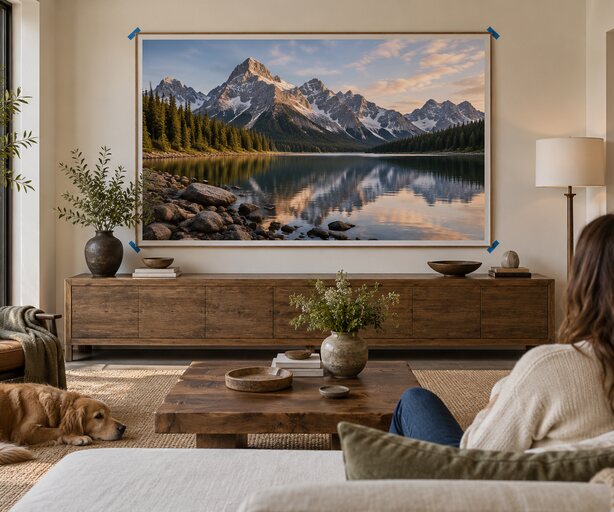
Some photos are meant to be seen from across the room. A landscape from a memorable trip, a wedding portrait, or a family image with strong composition may deserve a larger format.
Poster Prints can be useful when you want scale without the depth of canvas or the structure of a frame. They suit travel images, graphic photography, scenic views, and casual wall displays.
For larger prints, measure the wall before ordering and use painter’s tape to mark the proposed dimensions. This gives you a much better sense of scale than trying to imagine the numbers.
Build a Simple Size Plan Before Ordering
Rather than memorizing every standard dimension, create a quick plan based on the display.
For albums and small frames, start around 4x6 or 5x7. For desks and shelves, 5x7 and 8x10 are practical choices. For individual wall pieces, 8x10, 11x14, and 16x20 offer more presence. For larger focal points, 20x30, 24x36, and similar formats can work well if the image resolution supports them.
These ranges are only starting points. The right choice depends on wall size, frame style, image orientation, and viewing distance.
A Better Way to Think About Standard Photo Sizes
Standard photo sizes are useful because they make it easier to find compatible frames and plan displays, but they should not dictate every decision.
The most effective approach is to work backwards from the final location. Measure the space, think about how far away the image will be viewed, check the crop, review the resolution, and decide whether the photo will stand alone or sit within a group.
Once those choices are clear, selecting the right dimensions becomes much easier. The best print size is not simply the most common one. It is the size that allows the photograph to feel balanced, readable, and appropriate for the space where it will be seen.