Common Photo Print Sizes and How to Choose the Right One
Printing a favorite image should be simple, yet the list of available photo sizes can make the decision surprisingly difficult. A format that works in an album may look lost on a living room wall, and a large print requires more image detail than a small desk photo. The right choice depends on where the picture will be displayed, its proportions, and the resolution of the original file.
What Is a Standard Photo Size?
If you have wondered what is a standard photo size, the short answer is 4 × 6 inches. It is the format most people associate with printed snapshots, photo albums, and countertop frames. Its 3:2 aspect ratio also matches the proportions produced by many digital cameras.
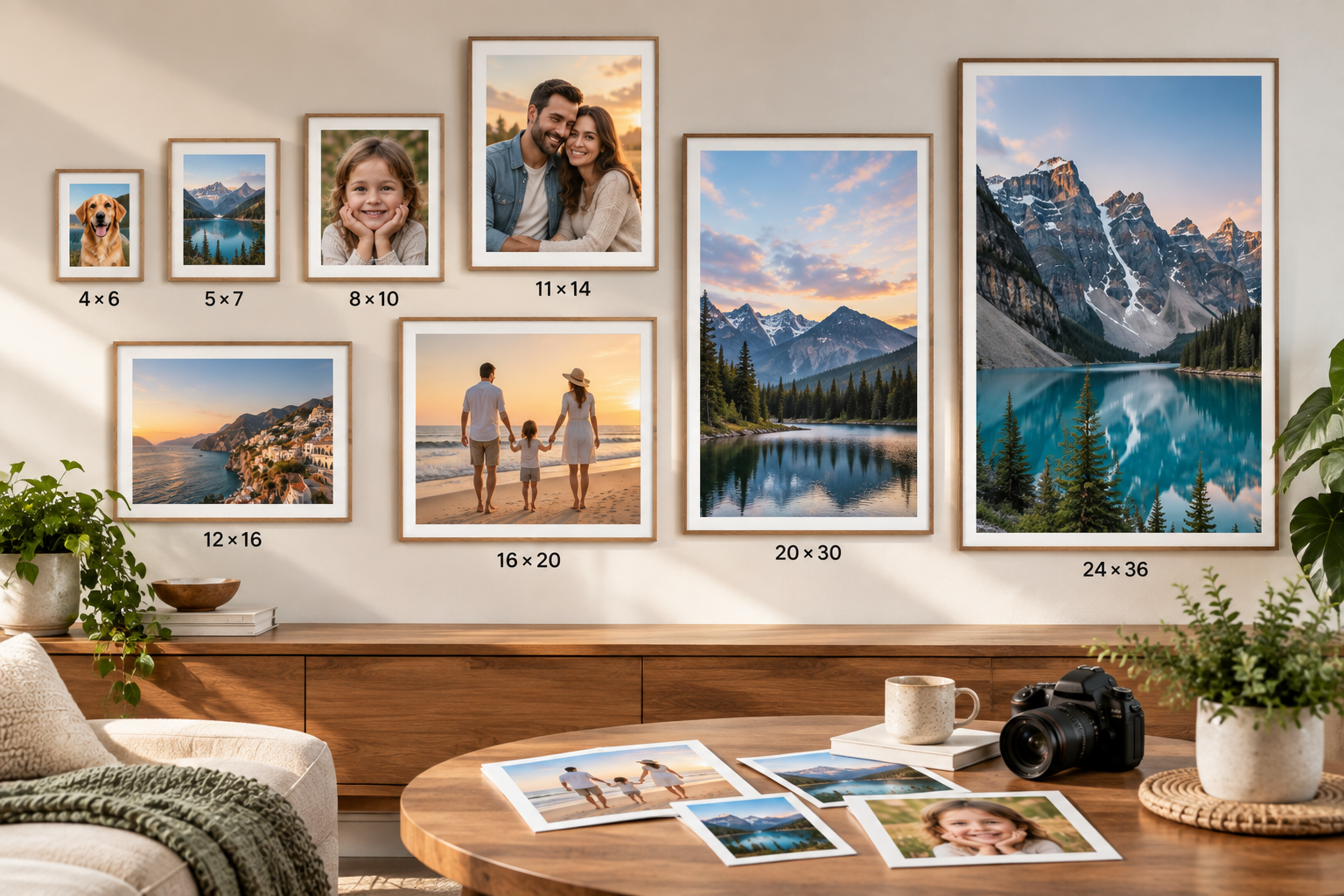
There is no single size for every purpose, however. The term standard photo sizes covers several widely available dimensions that are easy to print, frame, and store. These include 4 × 6, 5 × 7, 8 × 10, and 11 × 14 inches.
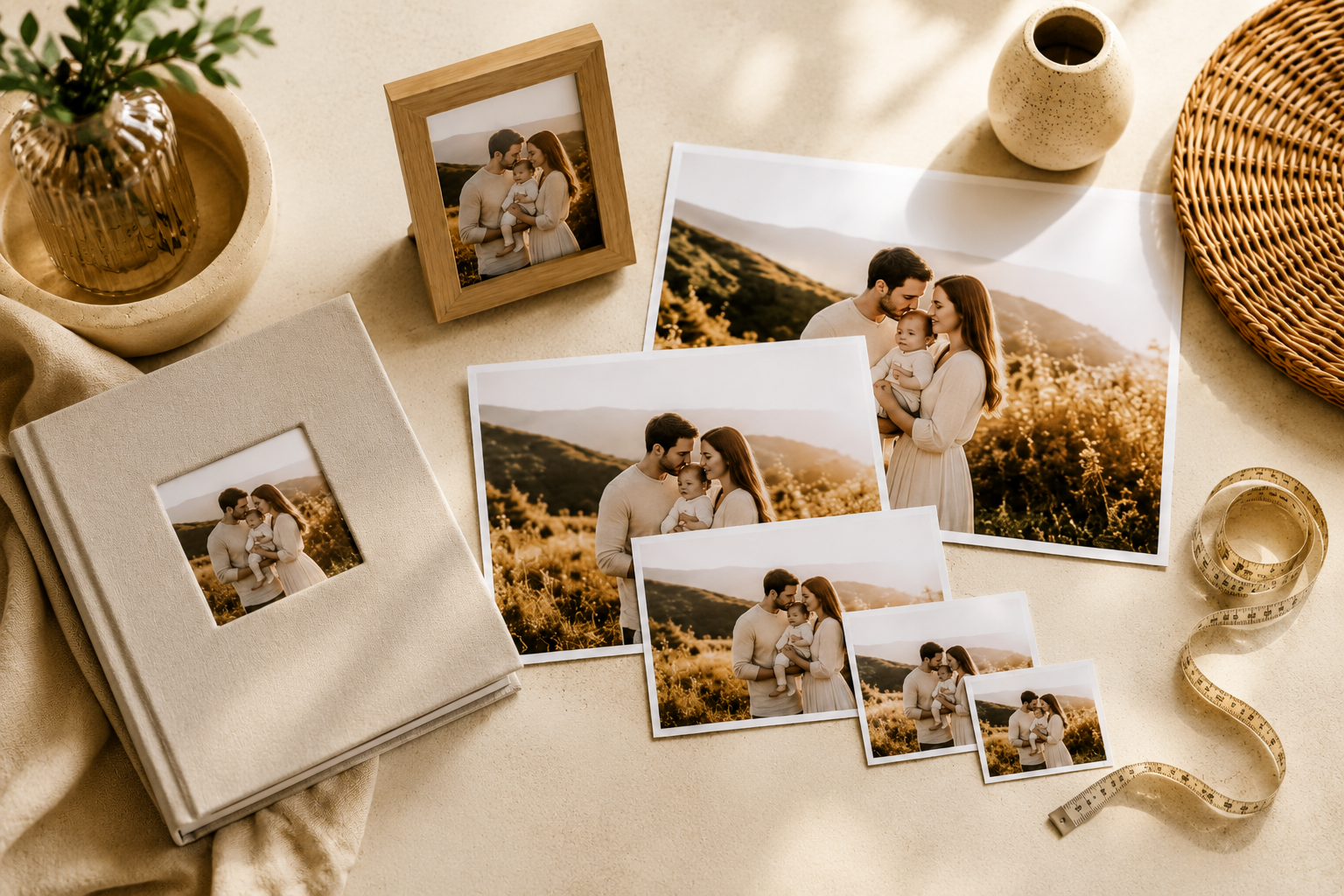
A regular photo size is generally small enough for an album or tabletop frame. Larger formats are better suited to portraits, gifts, gallery walls, and statement displays.
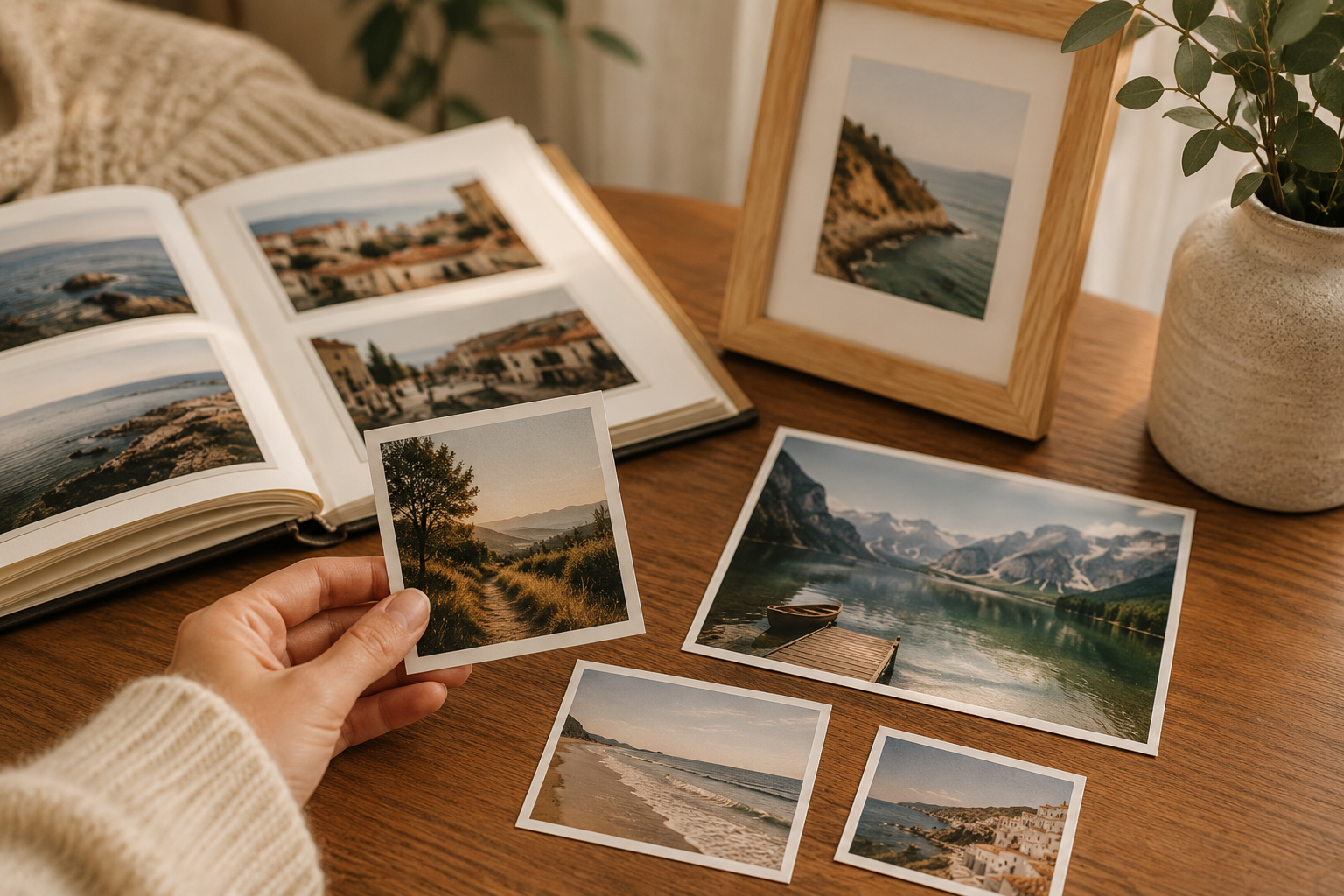
Common Photo Print Dimensions
The following standard photo print sizes are available from most professional printing services.
4 × 6 Inches
The 4 × 6 is the most familiar everyday format. It is affordable, easy to frame, and suitable for vacation snapshots, candid family pictures, and sets of images from an event. Because it has a 3:2 ratio, photos taken with many DSLR and mirrorless cameras often require little or no cropping.
For anyone asking what is the standard photo size for an album, 4 × 6 is usually the expected answer.
5 × 7 Inches
A 5 × 7 print offers more presence without taking up much space. It works well in a desk frame, on a bedside table, or as part of a small gallery arrangement. It is also a popular format for gifting portraits.
The proportions differ from those of a 4 × 6 image, so a small amount may be trimmed from the longer edges. Check the crop preview before placing faces or other important details close to the border.
8 × 10 Inches
The 8 × 10 format is commonly used for school portraits, family photographs, graduation pictures, and framed gifts. It is large enough to show facial detail clearly but compact enough for shelves and narrow walls.
Many people consider 8 × 10 the normal photo print size for a formal portrait. Its 4:5 ratio is squarer than a typical camera image, which means noticeable cropping may be required.
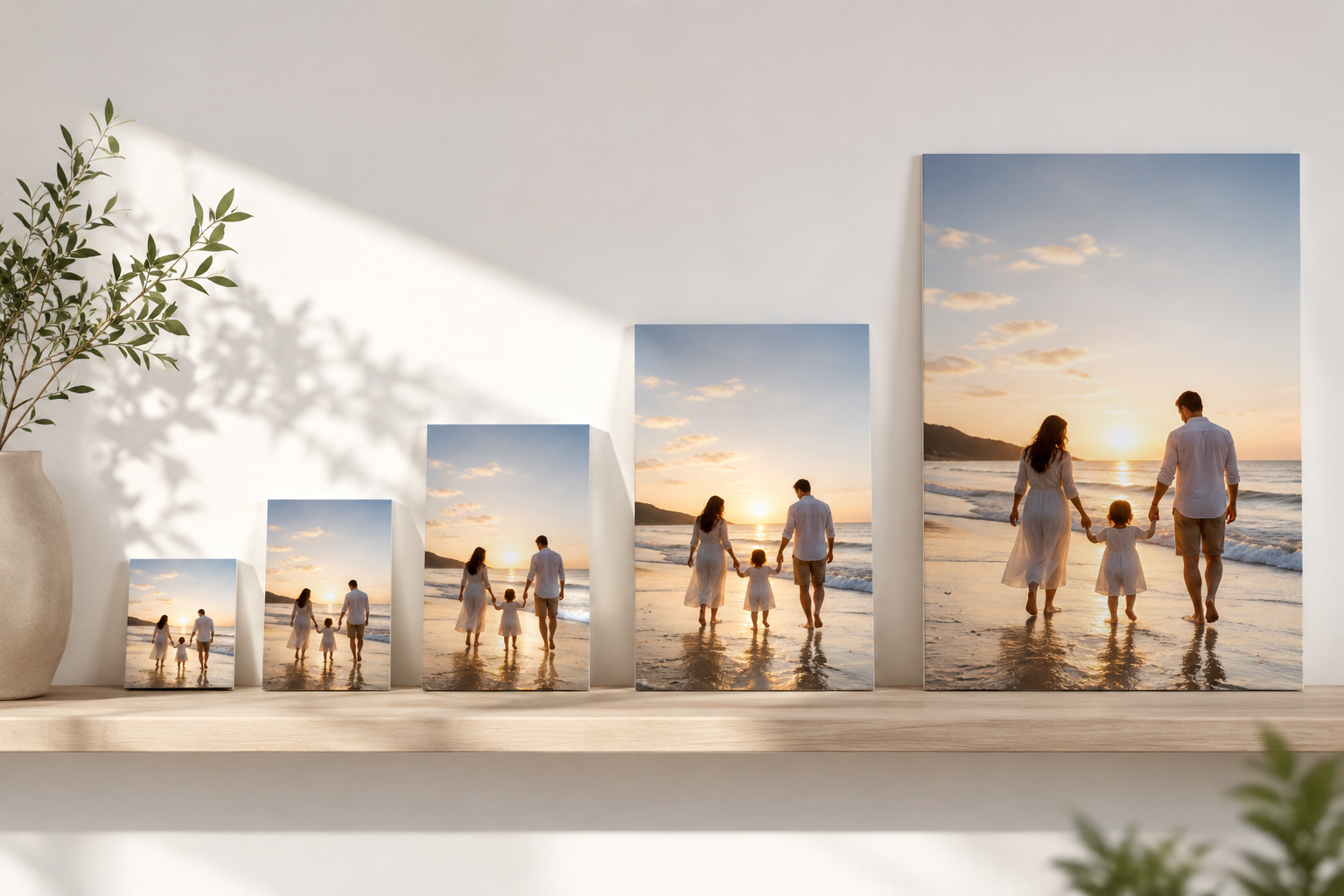
Quick Photo Size Chart
|
Print size |
Aspect ratio |
Common use |
|
4 × 6 inches |
3:2 |
Albums and everyday snapshots |
|
5 × 7 inches |
5:7 |
Gifts and tabletop frames |
|
8 × 10 inches |
4:5 |
Portraits and small wall displays |
|
11 × 14 inches |
11:14 |
Gallery walls and hallway art |
|
16 × 20 inches |
4:5 |
Feature photographs |
|
18 × 24 inches |
3:4 |
Medium wall displays |
|
24 × 36 inches |
2:3 |
Posters and statement pieces |
These standard picture sizes are widely supported, which makes it easier to find ready-made frames and mats. Custom dimensions remain useful when the original composition does not suit one of these ratios.
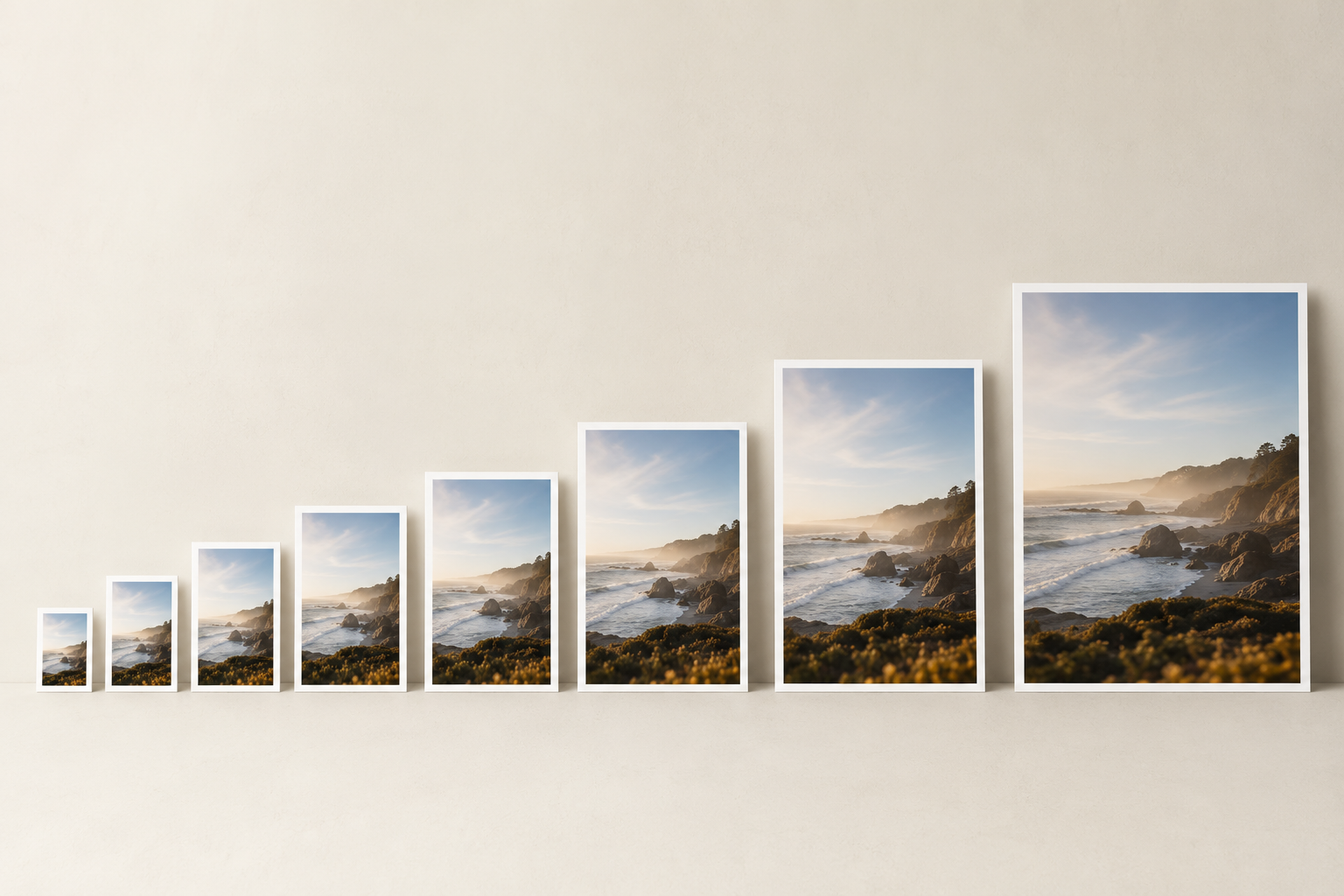
Understand Aspect Ratio Before Choosing
Aspect ratio describes the relationship between an image’s width and height. A 3:2 photograph, for example, can be printed at 4 × 6, 8 × 12, or 12 × 18 inches without changing its proportions. An 8 × 10 print uses a 4:5 ratio, so converting a 3:2 image to that format removes part of the longer sides.
This explains why two files with the same pixel count may suit different photo dimensions. The problem is not always resolution; sometimes the shape of the image simply does not match the shape of the paper.
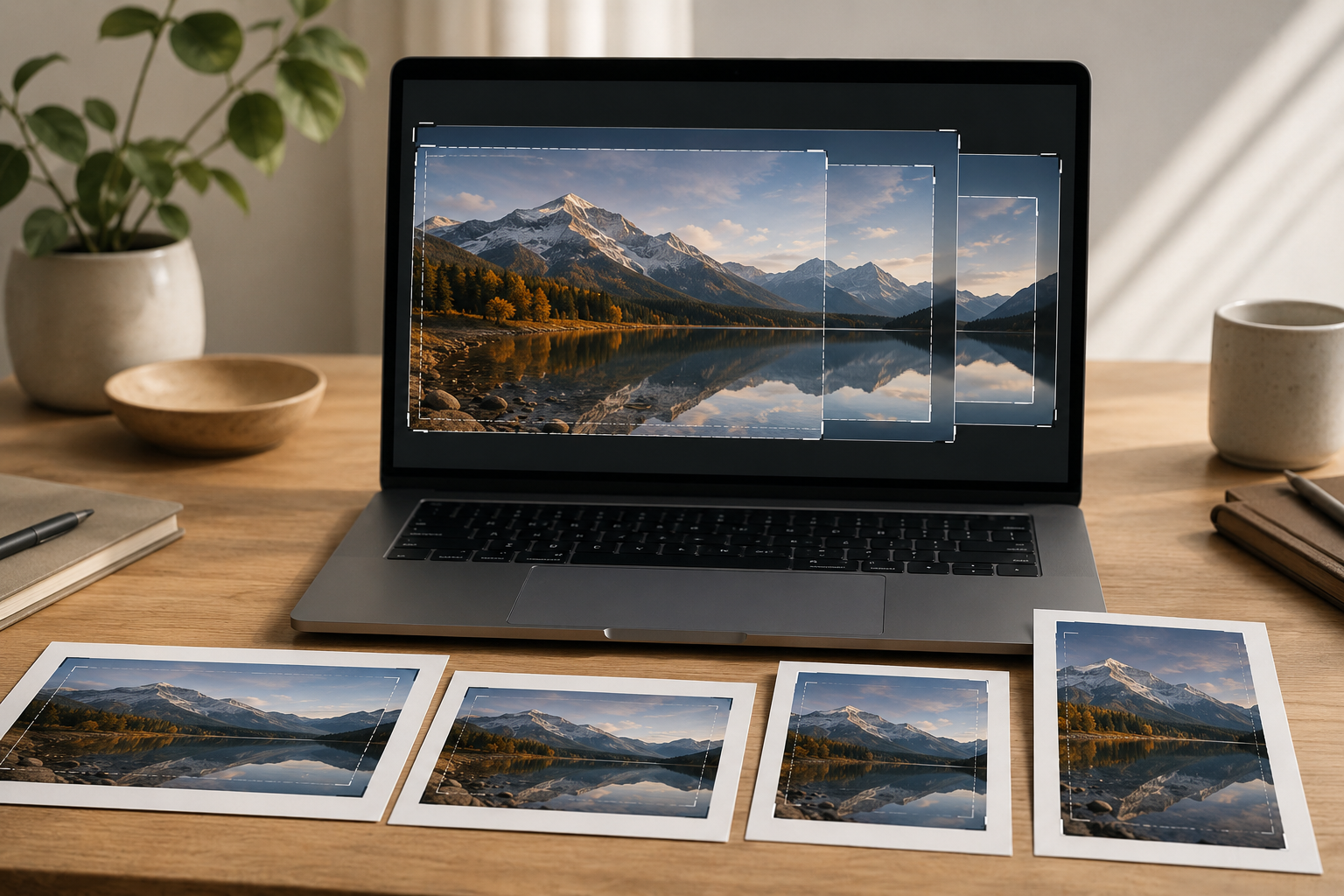
Review the print preview carefully. If the automatic crop removes a hand, the top of someone’s head, or an important background element, choose another ratio or crop the file yourself. Adding a white border is another option when preserving the complete composition matters more than printing edge to edge.
Check Resolution and Pixel Dimensions
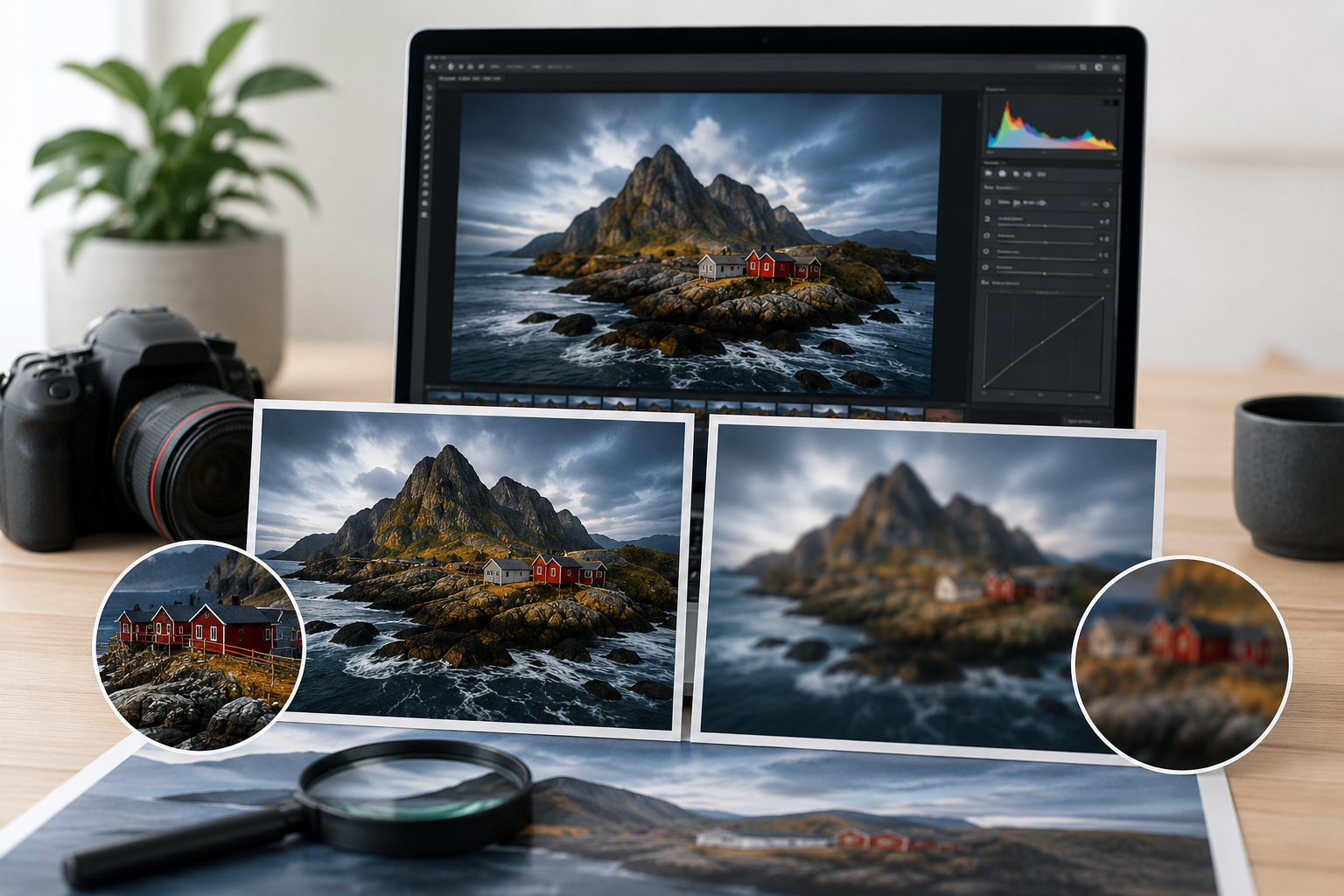
Resolution determines how much detail is available for printing. For a sharp print examined up close, 300 pixels per inch is a useful target. At that density, a 4 × 6 print needs about 1,200 × 1,800 pixels, while an 8 × 10 requires roughly 2,400 × 3,000 pixels.
Lower densities may still look good in larger wall pieces because viewers stand farther away. The printing method and image itself also affect the result. A soft landscape may tolerate enlargement better than a group portrait containing many small faces.
Always start with the original camera file. Screenshots, images copied from websites, and compressed message attachments can look acceptable on a phone while printing poorly. Changing the resolution number in editing software will not recreate detail that the file never captured.
Match the Print to Its Display
The best size is partly determined by where the photograph will live. A 4 × 6 or 5 × 7 is comfortable on a desk or shelf. An 8 × 10 or 11 × 14 can fill a narrow section of wall, especially when paired with a mat. Larger photo prints are more appropriate above furniture or on an open feature wall.
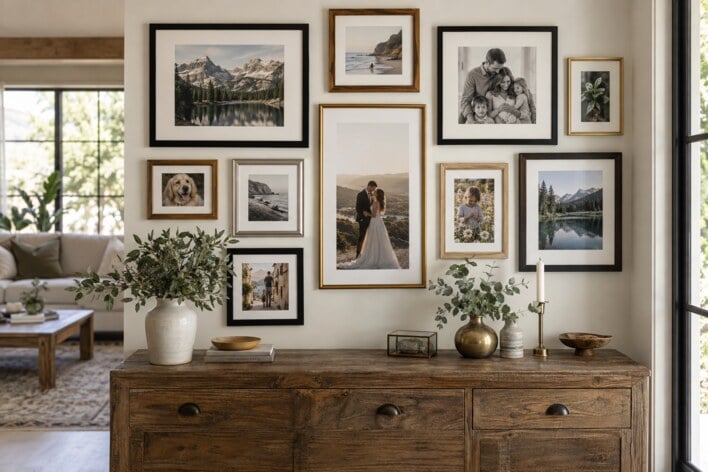
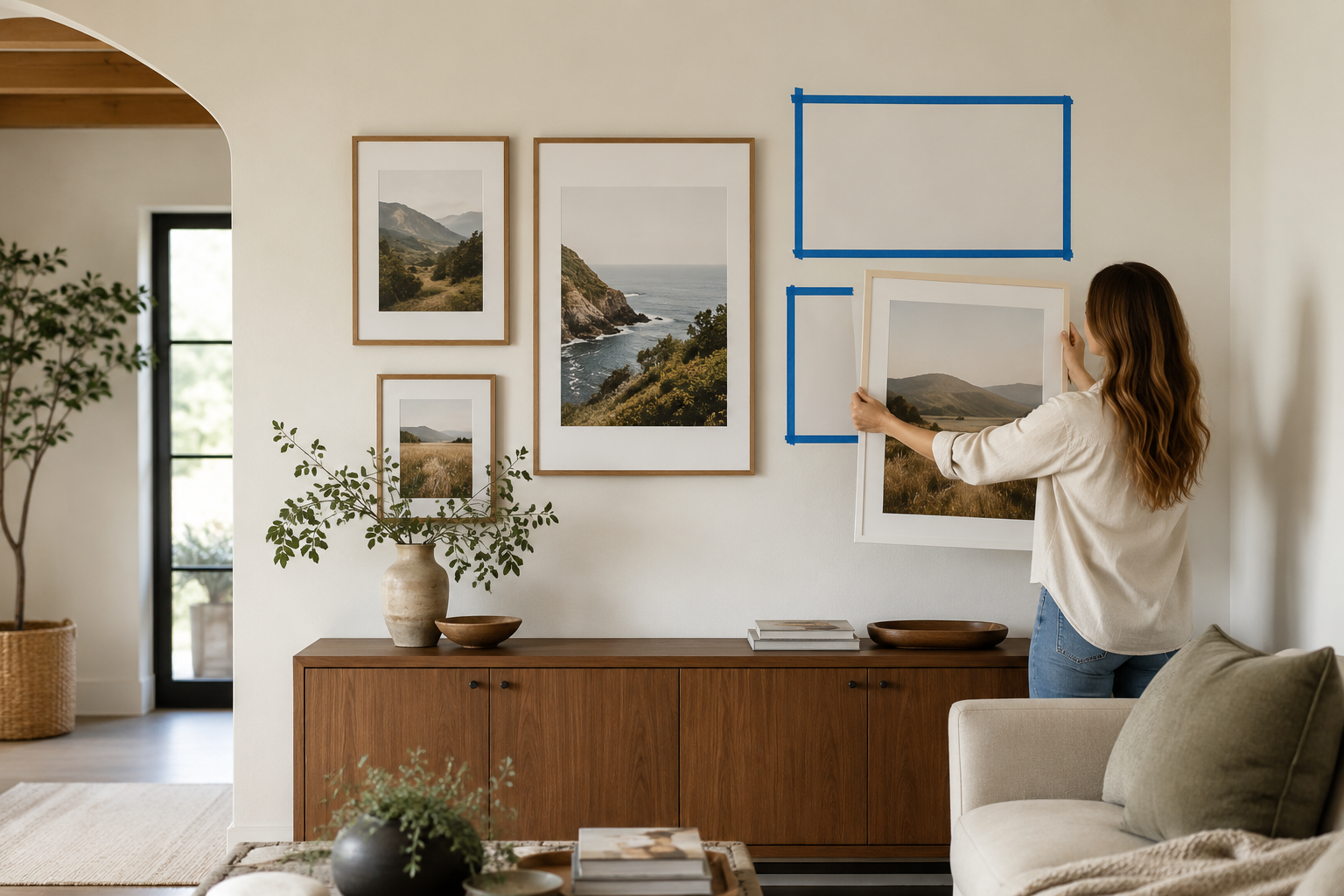
For a gallery wall, mix two or three formats and maintain consistent spacing. Choose one larger image as the focal point, then arrange smaller photographs around it. If you prefer a finished piece that arrives ready to hang, framed photo prints combine the image, matting or border, and frame in one coordinated format.
Measure the display area rather than judging it from memory. Mark the proposed outline with painter’s tape and view it from the main entrance to the room. This quick test reveals whether a print will feel balanced or undersized.
Choosing a Size for Albums, Frames, and Gifts
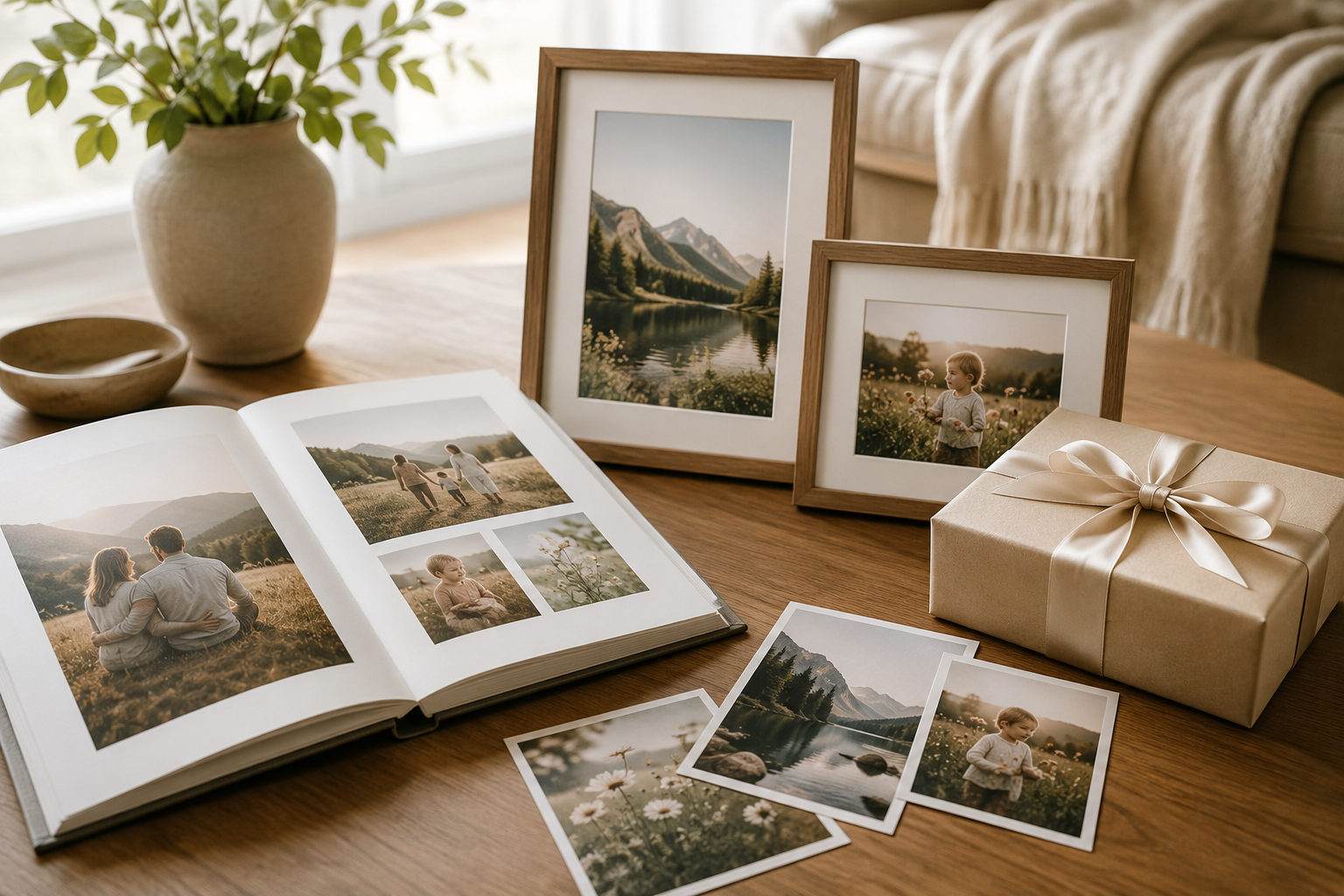
A 4 × 6 is the usual regular picture size for albums because it fits standard sleeves and preserves the proportions of many camera images. The same format also works for printing several photographs from a vacation, celebration, or family gathering without taking up excessive storage space.
For framed gifts, 5 × 7 and 8 × 10 prints offer more visual presence. A 5 × 7 feels personal and informal, making it suitable for desks and bedside tables. An 8 × 10 has enough detail and size for formal portraits or prominent shelf displays.
Wall displays call for a different approach. An 11 × 14 print can anchor a small gallery arrangement, while 16 × 20 and larger formats work as standalone pieces. The normal photo size for a wall depends on the amount of open space surrounding it. A print that looks substantial in your hands may appear much smaller once hung above a sofa.
How to Choose the Right Photo Print Size
Begin with the purpose of the image. Album copies and casual gifts usually call for smaller formats. Formal portraits and wall art benefit from extra size. Next, check the aspect ratio and pixel dimensions of the original file. These two details show which photo print sizes will preserve the composition and remain clear.
Consider available frames before selecting an unusual measurement. A regular photo print size costs less to frame because compatible options are readily available. Custom framing can solve an uncommon proportion, but it may cost more than the print itself.
The orientation of the image matters too. Portrait photographs work naturally in vertical frames, while landscapes and group pictures often need horizontal formats. Square prints suit centered subjects, close-up details, and symmetrical compositions. Avoid forcing an image into an orientation that removes meaningful parts of the scene.
Finally, inspect the crop preview and proofread any added text. Once those details are confirmed, the choice becomes less about finding an average photo size and more about selecting dimensions that serve the photograph, the display, and the way you want to enjoy it.